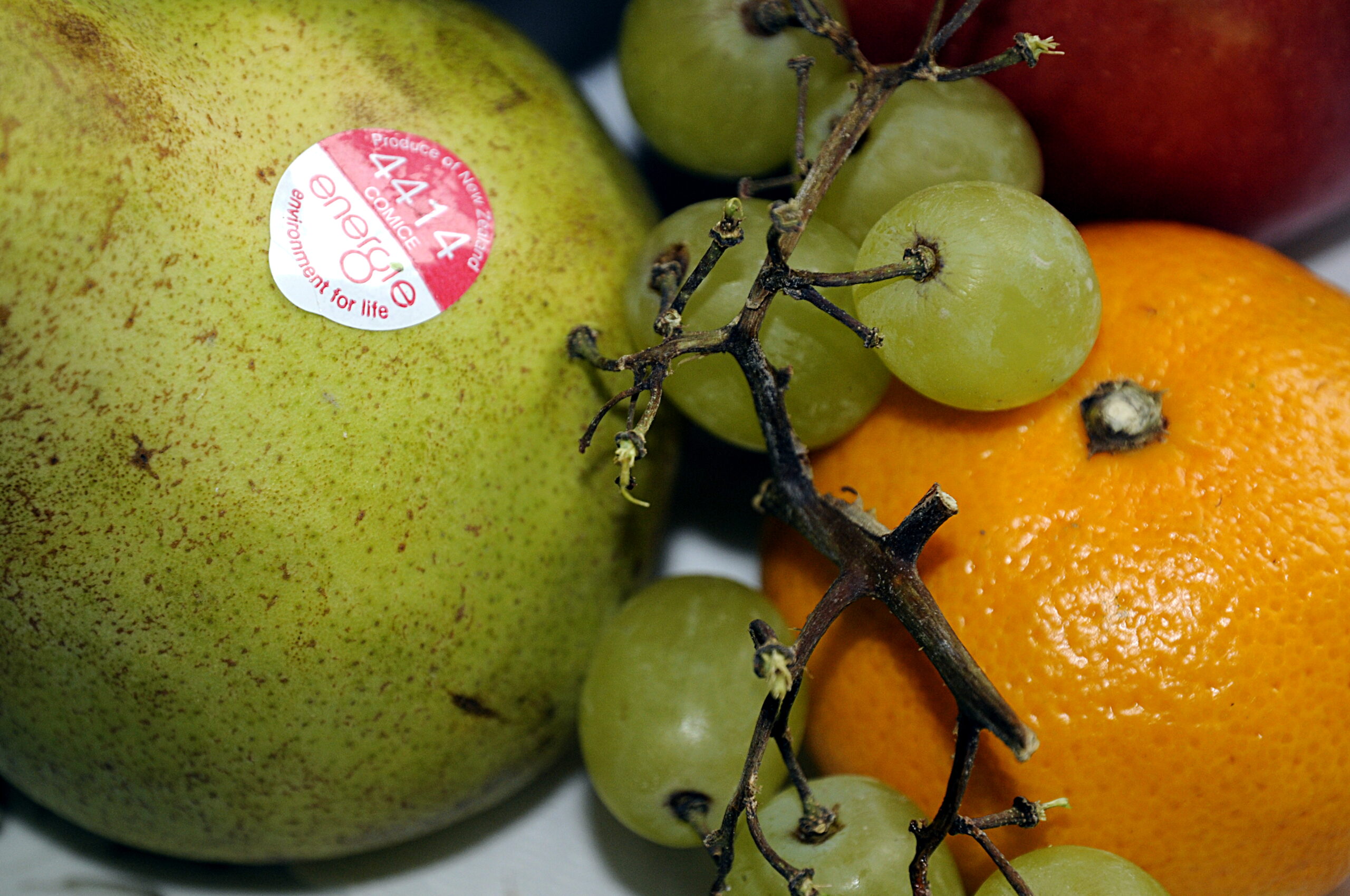
Featured image credit: Image: Jwh. Source: Wikimedia Commons. License: CC BY-SA 3.0 Luxembourg. License terms.
What is the fruit of the Spirit? In Galatians 5:22–23, the apostle Paul names nine qualities that characterize a life shaped by the Holy Spirit: love, joy, peace, patience, kindness, goodness, faithfulness, gentleness, and self-control. These are not nine separate ways to earn God’s favor.
What does “fruit of the Spirit” mean?
Galatians 5 contrasts the works of the flesh with the fruit of the Spirit. Paul calls Christians to walk by the Spirit rather than follow sinful desires (Galatians 5:16–18).
Paul uses the singular word fruit, highlighting a unified Spirit-shaped life rather than a checklist of unrelated achievements. Growth takes time, and Christians may notice different areas of weakness.
Recommended Book
RECOMMENDED RESOURCE
Recommended Book
A helpful companion for further reading and reflection.
Check Price on Amazon →
As an Amazon Associate, I earn from qualifying purchases.
1. Love: seeking another person’s good
Love heads Paul’s list. Biblical love involves genuine concern and action, not merely warm feelings. Jesus commands his followers to love one another as he has loved them (John 13:34–35). First Corinthians 13:4–7 describes love as patient, kind, and not self-seeking. Spirit-produced love moves believers to serve others, even when doing so is inconvenient.
2. Joy: delight rooted in God
Christian joy is deeper than constant happiness or the absence of hardship. Philippians 4:4 calls believers to rejoice in the Lord. Joy rests in God’s character and promises, which remain trustworthy when circumstances are difficult. Christians can experience grief and still have reason for hope in Christ.
3. Peace: trust and reconciliation
Peace includes confidence in God’s care and a commitment to live peaceably with others. Philippians 4:6–7 connects prayer with the peace of God that guards hearts and minds in Christ. Romans 12:18 urges believers, as far as it depends on them, to live at peace with everyone. Peace does not mean ignoring injustice or pretending conflict does not exist.
As an Amazon Associate, I earn from qualifying purchases.
4. Patience: endurance with people and circumstances
Patience means responding slowly to frustration and remaining steady through delays or difficulties. James 1:19 encourages believers to be quick to hear and slow to anger. Colossians 3:12–13 connects patience with bearing with one another and forgiving complaints. It is not passivity; it is restraint guided by love.
5. Kindness: practical compassion
Kindness expresses concern through words and actions. Ephesians 4:32 instructs Christians to be kind and tenderhearted, forgiving one another as God in Christ forgave them. Kindness may look like listening carefully, helping someone in need, or speaking respectfully during disagreement. It reflects God’s generosity toward undeserving people.
6. Goodness: doing what is right
Goodness goes beyond pleasant behavior. It involves moral integrity and a willingness to do what honors God. Ephesians 5:8–10 calls believers to walk as children of light and discern what pleases the Lord. Goodness includes honesty when dishonesty would be easier and courage when someone needs protection or help.
7. Faithfulness: reliability and loyalty
Faithfulness is steadfastness in relationships and commitments. Lamentations 3:22–23 celebrates God’s great faithfulness. Christians reflect his trustworthy character by keeping promises, telling the truth, and continuing in obedience when no one is watching. Faithfulness is not perfection; it is a pattern of dependable commitment.
8. Gentleness: strength under control
Gentleness is not weakness. Jesus describes himself as gentle and lowly in heart (Matthew 11:29). Galatians 6:1 instructs spiritual believers to restore someone caught in wrongdoing with a spirit of gentleness. This quality shapes how Christians correct mistakes, handle conflict, and speak to people who are struggling.
9. Self-control: resisting harmful desires
Self-control means exercising restraint rather than allowing every impulse to direct our actions. Titus 2:11–12 connects God’s grace with training believers to live self-controlled lives. Self-control can shape speech, spending, habits, and reactions. Christians pursue it through dependence on the Spirit, not merely personal determination.
How does the fruit of the Spirit grow?
Galatians 5:24–25 connects belonging to Christ with keeping in step with the Spirit. Growth involves prayer, hearing and obeying Scripture, repentance, and life in Christian community. John 15:4–5 uses the image of branches abiding in Jesus: lasting fruit depends on connection to him.
Rather than measuring yourself against others, ask where God is calling you to grow. You might practice patience by listening before reacting, kindness by serving someone quietly, or faithfulness by following through on a promise. When you fail, confess it and return to God’s grace. For a related foundation, see what repentance means in the Bible and how to pray.
A book for further study
Jerry Bridges’s The Fruitful Life explores Christian character through the fruit of the Spirit. It is a useful companion for reflection and practical application, but the biblical passages remain the authority. You can find the book on our Resources page under Devotionals.
Questions for reflection
Which quality in Galatians 5 do you most need to practice this week? How can you seek the Spirit’s help rather than relying only on willpower? What would love, gentleness, or self-control look like in a difficult conversation? Read Galatians 5:13–26 as a whole and notice how Paul connects freedom, love, and life in the Spirit.
Conclusion
The nine qualities of the fruit of the Spirit show what a life shaped by Jesus looks like. They are not a ladder for earning salvation; they are evidence of God’s transforming work. As believers walk by the Spirit, they are called to grow in love, joy, peace, patience, kindness, goodness, faithfulness, gentleness, and self-control for God’s glory and their neighbors’ good.