
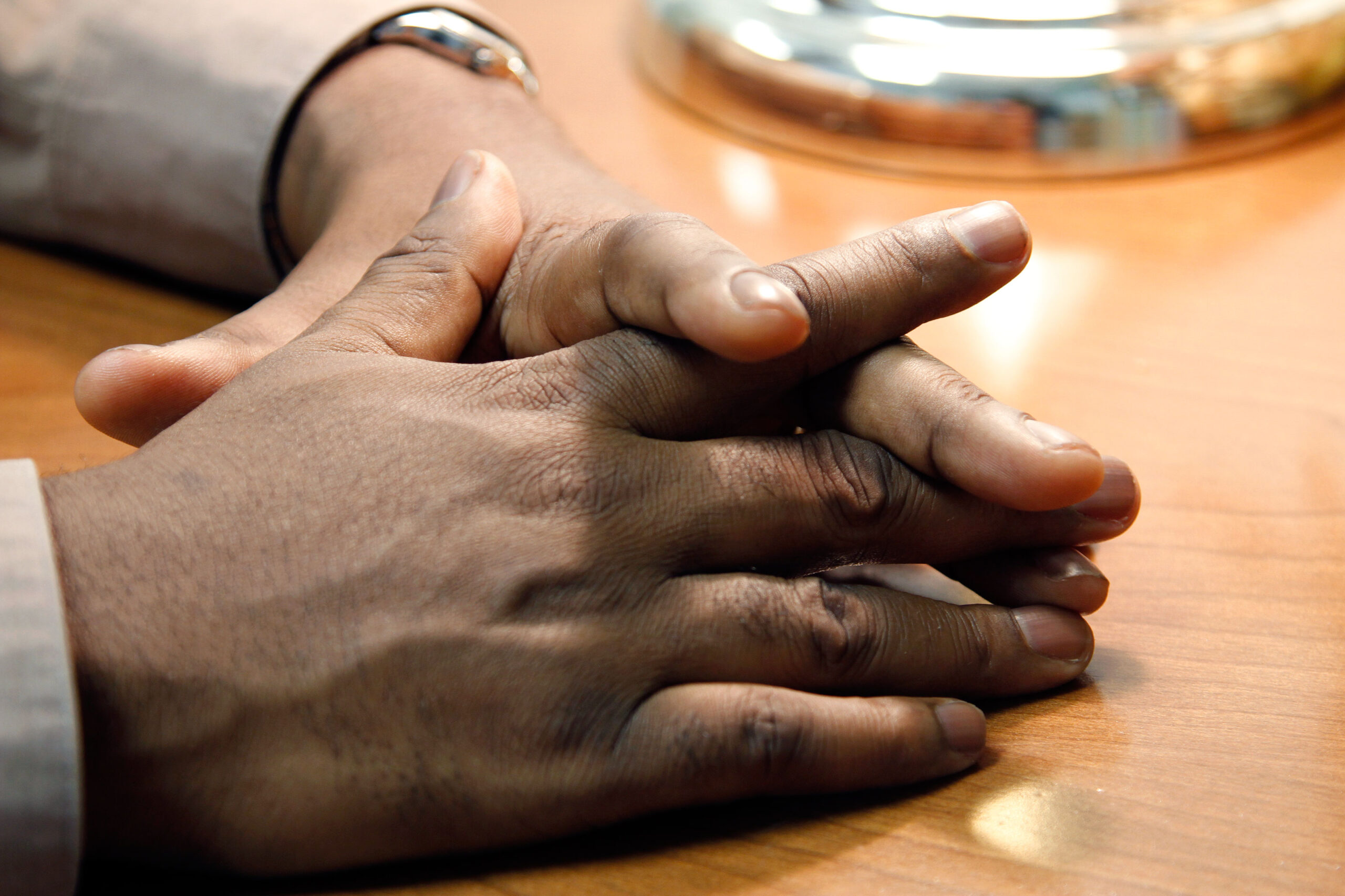
Featured image credit: Photographer: Daniel Sone / National Cancer Institute. Wikimedia Commons. Public domain.
What does it mean to be made in God’s image? Genesis 1:26–27 teaches that God created human beings in his image, male and female. This truth gives every person inherent dignity and helps explain our responsibility to love others, care for creation, and live before God.
What does “made in God’s image” mean?
Genesis 1:26–27 places humanity’s creation in God’s image at the beginning of the biblical story. Christians have offered several complementary explanations: people reflect God’s character in moral and relational capacities, represent his rule within creation, and are called to live in relationship with him.
Being made in God’s image does not mean that humans are divine or physically identical to God. It means that our identity and value are grounded in our Creator.
Does every person bear God’s image?
Yes. Genesis 1:27 speaks of humanity as male and female, both created in God’s image. Genesis 9:6 appeals to the image of God as a reason to protect human life after sin has entered the world. James 3:9 condemns cursing people who are made in God’s likeness. These passages show that human dignity does not depend on wealth, ability, nationality, age, or social status.
This should shape how Christians treat neighbors and strangers alike. A person’s worth is not measured by usefulness or agreement with us. Christians can reject harmful behavior while still recognizing the God-given dignity of the person involved.
Why does the image of God matter for human responsibility?
In Genesis 1:28, God gives humanity responsibility to be fruitful, fill the earth, and exercise dominion over living creatures. Read alongside Genesis 2:15, which describes tending and keeping the garden, this authority is best understood as accountable stewardship rather than permission for careless exploitation.
Our relationships matter as well. Jesus commands love of neighbor in Matthew 22:37–40. Respecting people as image bearers means practicing honesty, justice, mercy, and care, including toward those who cannot repay us.
As an Amazon Associate, I earn from qualifying purchases.
Did sin destroy the image of God?
The Bible describes the entrance of sin in Genesis 3 and its effects on human relationships, work, and fellowship with God. Yet Genesis 9:6 and James 3:9 still refer to people as made in God’s image after the fall. Therefore, it would be misleading to say that sin completely erased the image.
Christians differ about how best to describe the damage sin causes to our ability to reflect God’s character. Reformed theology often emphasizes that sin affects every aspect of human life while maintaining that humans remain image bearers. The biblical passages establish both the seriousness of sin and the continuing dignity of humanity. For more context, see what the Bible teaches about sin.
How does Jesus reveal the image of God?
Colossians 1:15 calls Jesus “the image of the invisible God,” and Hebrews 1:3 describes him as the exact imprint of God’s nature. Unlike fallen human beings, Christ reveals the Father perfectly. Looking to Jesus shows us what faithful human life looks like: obedience to God, truthfulness, compassion, and sacrificial love.
Romans 8:29 teaches that believers are predestined to be conformed to the image of God’s Son. The Christian life therefore involves more than recovering a vague sense of personal worth; it involves becoming more like Christ through God’s grace.
How are believers renewed in God’s image?
Colossians 3:9–10 describes putting off the old self and putting on the new, which is being renewed in knowledge after the image of its Creator. Ephesians 4:22–24 likewise describes a new self created after God’s likeness in true righteousness and holiness.
These passages connect renewal with changed conduct. Christians grow in truthfulness, patience, forgiveness, and love, not to earn their dignity but because God is transforming them. This transformation is grounded in the gospel. Our article on faith according to the Bible explains the importance of trusting Christ.
What does this teaching mean for everyday life?
First, it calls Christians to treat every person with respect, even amid disagreement. Second, it challenges prejudice and exploitation because every human life matters to God. Third, it encourages responsible care for the world entrusted to humanity. Finally, it gives believers a reason to pursue Christlike character in ordinary decisions.
When someone is overlooked, the doctrine of God’s image reminds us to see a person rather than a problem. When we are tempted to speak cruelly, James 3:9 challenges us to remember whom our words are directed toward. And when we fail, the gospel offers forgiveness and a path toward renewed obedience.
A recommended book for deeper study
Anthony A. Hoekema’s Created in God’s Image examines human nature, the fall, and renewal from a Reformed perspective. It is especially relevant for readers who want to explore the theological questions in greater depth. Hoekema’s explanations are helpful interpretations, but Scripture remains the authority for evaluating them. You can find the book on our Resources page.
Questions for reflection
How might your conversations change if you remembered that every person bears God’s image? What does Jesus show you about reflecting God’s character? Are there ways you can practice better stewardship or greater kindness this week? Read Genesis 1–3, James 3, and Colossians 3 in context as you consider these questions.
Conclusion
Being made in God’s image means that human life has God-given dignity and responsibility. Sin has profoundly affected humanity, but Scripture continues to speak of people as image bearers. Through Jesus Christ, believers are renewed to reflect God’s character more faithfully. This truth should deepen our worship of God and our love for the people he has made.